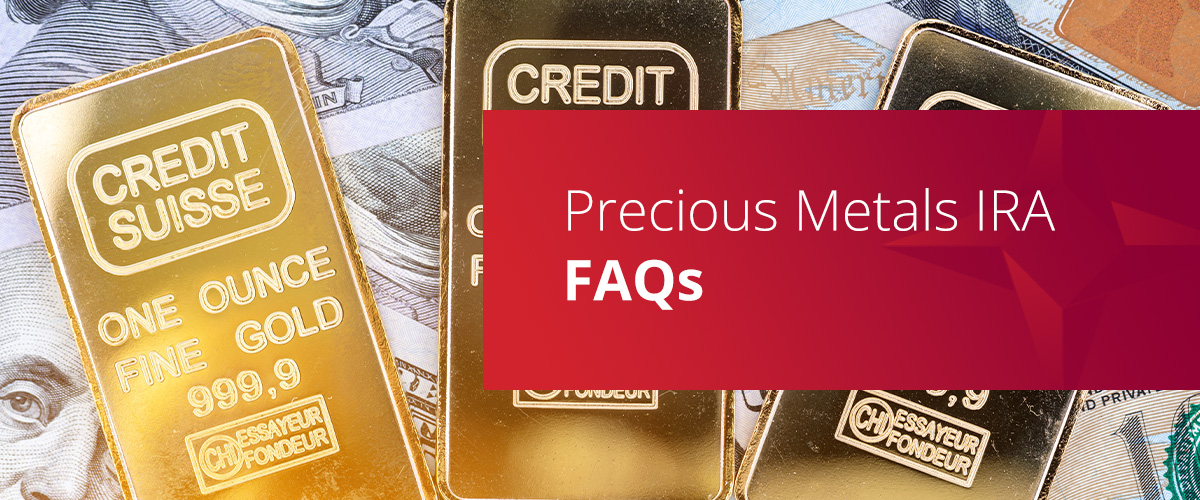
Gold Austrian Philharmonic, 1 oz
A standard one-ounce gold bullion coin minted by the Austrian Mint. IRA-eligible at 99.99% fineness.

Self-Directed IRA Investments
Hold physical gold, silver, platinum, and palladium inside your IRA. Vaulted at an insured depository, titled in the name of your account.
Why Accuplan
Accuplan has been a leading self-directed IRA administrator since 1985. American Estate & Trust serves as the custodian. You pick the metals from inside your dashboard. We run the wire, the paperwork, and the annual reporting that keeps your account in good standing with the IRS.
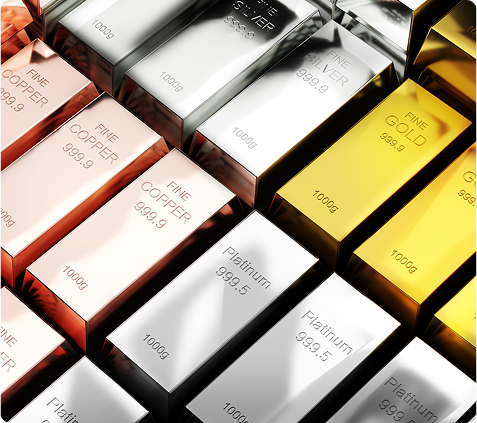


Gold, silver, platinum, and palladium, in coins and bars that meet the IRS fineness rules. You pick the products. We handle the paperwork.
Physical metals in your IRA
A precious metals IRA holds physical gold, silver, platinum, or palladium in place of stocks and mutual funds. The metals belong to the IRA, not to you personally. They sit in vaulted storage at a third-party depository, with the custodian holding title in the name of your account.
Metals do not pay interest or dividends. Their value moves with market price. Inside the IRA, that price movement is not taxed each year. In a Traditional IRA, gains are taxed only when you take distributions in retirement. In a Roth IRA, qualified distributions come out tax-free.
The IRS sets specific rules on which coins and bars qualify, who your IRA can buy from, and where the metals must be stored. The next sections walk through each rule.

How it works
Buying metals inside an IRA is straightforward, with one set of rules layered on top. Skim the labels, dive into the rows that matter to your account.
A few terms we'll use
The IRS bans collectibles in IRAs, then carves out two paths for precious metals.
Coins named in the statute
Certain U.S.-minted coins are IRA-eligible by name, including American Gold and Silver Eagles. The statute lists them under IRS rules on IRA-eligible coins.
Bullion that meets the fineness floor
Gold at 99.5%, silver at 99.9%, platinum and palladium at 99.95% or better, in coin or bar form. Must be held in the physical possession of the trustee or custodian under IRS rules on IRA-eligible bullion.
See IRS rules on eligible metals. Numismatic, proof, and rare collector coins outside the named list are not IRA-eligible, regardless of metal content.
The IRA can buy from any independent coin or bullion dealer at arms length. The four groups below are off-limits.
Off limits: you and your spouse
The IRA cannot buy your personal coin collection or sell metals back to you. Self-dealing is the most common prohibited transaction.
Off limits: parents and grandparents
No buying from your parents, grandparents, great-grandparents, or any of their spouses. The chain runs all the way up.
Off limits: kids and grandkids
No buying from your children, grandchildren, great-grandchildren, or the spouses of any of them. The chain runs all the way down.
Off limits: companies they control
No buying from a coin shop or refinery owned 50% or more by you or another disqualified person, or where any of you are an officer or major shareholder.
List comes from the IRS rules on disqualified persons. Siblings, cousins, aunts, uncles, friends, and unrelated business partners are not on the list. More on disqualified persons.
Each of these is a prohibited transaction. The IRS can treat the entire IRA as distributed.
Store the metals at home
IRA metals must sit in the physical possession of the custodian at a licensed depository. Home safes, safe-deposit boxes, and LLC home-storage schemes do not qualify.
Hold collectibles or numismatic coins
Rare collector coins, proof coins outside the statutory list, and any metal below the fineness floor are banned. The metal content does not matter if the coin is also collectible.
Buy from yourself or your family
The IRA cannot buy your existing coins, your spouse's bars, or anything from a parent or child. That is self-dealing.
Take personal possession before retirement
Asking the depository to ship metals to your house or hotel during a trip is treated as a distribution. The full fair market value becomes taxable income that year.
Pay yourself a fee
No commissions, finder's fees, or markups to you for sourcing the deal. The IRA is not a way to pay yourself.
Mix funds
Don't pay storage fees, dealer markups, or shipping costs out of pocket. Every dollar in and out of the deal has to run through the IRA.
If you think a line may have been crossed, contact a qualified tax advisor immediately. Quick correction matters. IRS prohibited-transaction rules.
Metals held inside an IRA do not generate ordinary income. Tax shows up in only two scenarios.
On distribution
Taxable when funds come out
In a Traditional IRA, the fair market value of the distribution is taxable income in the year you take it, plus a 10% additional tax if you are under 59½. In a Roth IRA, qualified distributions come out tax-free.
On a violation
IRA owner causes a prohibited transaction
Storing metals at home, buying from a disqualified person, or any other prohibited transaction caused by the IRA owner is treated as a full distribution of the entire IRA on January 1 of that year. See McNulty v. Commissioner, 157 T.C. No. 10 (2021).
Standard precious metals investing does not trigger UBIT or UDFI. More on UBIT and UDFI.
The consequence depends on who caused the problem. Quick correction matters.
You broke the rule
Under IRS rules on IRA disqualification, the IRS shuts down the entire IRA as of January 1 of the year you broke it. The full balance becomes taxable income that year, plus a 10% additional tax on the distributed amount if you are under 59½.
Someone else broke it
The other disqualified person owes a 15% penalty tax on the deal amount under IRS excise-tax rules. If they don't correct it within the correction window, the tax grows to 100%.
The 100% penalty tax only applies when the transaction isn't corrected within the correction window. See IRS prohibited-transaction rules.
Eligible metals
Each metal has its own fineness floor under IRS rules. The carve-out also covers named coins from the U.S. Mint and other approved mints.
American Eagle, Australian Kangaroo, Canadian Maple Leaf, U.S. Buffalo, and qualifying bullion bars. Minimum fineness 99.5%.
American Eagle, Austrian Philharmonic, Canadian Maple Leaf, Mexican Libertad, and qualifying bullion bars. Minimum fineness 99.9%.
American Eagle, Australian Kangaroo, Austrian Philharmonic, Canadian Maple Leaf, Isle of Man Noble, and qualifying bullion bars. Minimum fineness 99.95%.
Canadian Maple Leaf and Credit Suisse-Pamp Suisse bars at 0.999 fineness or better. Minimum fineness 99.95%.
Available in your dashboard
A snapshot of the most popular IRS-eligible coins and bars available to buy inside your Accuplan dashboard. Pricing is live, and every product on offer meets the IRS fineness rules.
A standard one-ounce gold bullion coin minted by the Austrian Mint. IRA-eligible at 99.99% fineness.
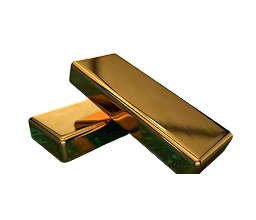
Investment-grade gold bars from approved refiners. Lower premium per ounce than coins, available in multiple sizes.
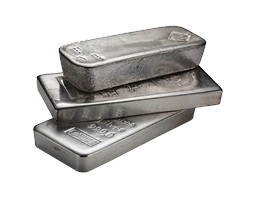
Investment-grade silver bars in three popular sizes. A common entry point for diversifying into precious metals.
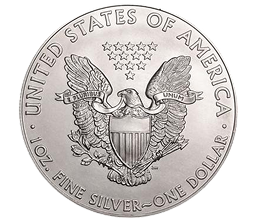
The U.S. Mint flagship silver coin. Named in the IRS statute as IRA-eligible.
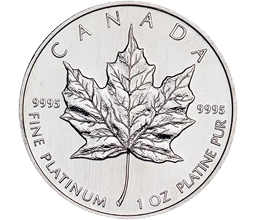
Royal Canadian Mint platinum coin at 99.95% fineness. IRA-eligible.
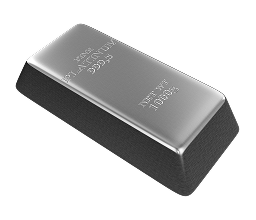
Investment-grade platinum bar from approved refiners at 99.95% fineness or higher.
How to start
Your dashboard runs the account, the wire, and the reporting.
Open your self-directed IRA online in a few minutes. No paperwork to print or mail.
Move money in by transfer, rollover, or new contribution. Cleared funds are ready to deploy.
Pick your coins or bars right inside your dashboard. Title is taken in the name of the IRA and the metals ship to an insured depository for vaulted storage.
Need guidance?
Free, 15 minutes. Walk through eligible products, dealer choice, and the rules that keep your account compliant.
Frequently asked
Gold and silver have historically held value when paper assets are under pressure from inflation or market shocks. Holding them inside a self-directed IRA shelters any price appreciation from annual tax. Inside a Traditional IRA, gains are taxed only when you take distributions in retirement. Inside a Roth IRA, qualified distributions come out tax-free.
The IRS rule on IRA-eligible metals bans collectibles in IRAs, then carves out two paths. First, certain U.S.-minted coins are eligible by name, including American Gold and Silver Eagles. Second, gold, silver, platinum, and palladium bullion is eligible if it meets the fineness floors of 99.5% (gold), 99.9% (silver), and 99.95% (platinum and palladium), and if it is held in the physical possession of the trustee or custodian. Numismatic coins, rare collector coins, and metals that fail the fineness test are not eligible.
No. The IRS rule on IRA-eligible bullion requires that bullion be held in the physical possession of the trustee or custodian. The Tax Court confirmed in McNulty v. Commissioner, 157 T.C. No. 10 (2021), that taking personal possession of IRA-owned coins is a taxable distribution of the full value, plus a 10% additional tax if you are under 59½. Accuplan stores all IRA metals at an insured third-party depository.
The IRA can buy from any independent coin or bullion dealer at arms length. It cannot buy from a disqualified person under the IRS prohibited-transaction rules. That rules out you, your spouse, your lineal ancestors and descendants, their spouses, and any business those people control 50% or more of. Buying from a dealership your father owns, or selling your own coin collection to your IRA, is a prohibited transaction. Read more on disqualified persons.
Two penalty paths apply, depending on who caused the violation. Under the IRS rules on IRA disqualification, when the IRA owner causes the violation, the entire IRA is treated as distributed on January 1 of that year. The full balance becomes taxable income, plus a 10% additional tax if you are under 59½. Under the IRS excise-tax rules, when another disqualified person is the cause, that person owes a 15% penalty tax that grows to 100% if not corrected within the correction window.
Generally no. Metals do not generate ordinary income inside the IRA, and price appreciation is not taxed until you take a distribution. UBIT and UDFI do not apply to passively-held metals. More on UBIT and UDFI.
Required minimum distributions begin at age 73, rising to 75 in 2033 under SECURE 2.0. Metals do not have a daily market price the way stocks do, so plan ahead. You can keep cash in the account to satisfy RMDs, sell part of the metals, or take an in-kind distribution of physical coins or bars equal to the RMD amount. Roth IRAs have no RMDs for the original owner. IRS, RMD FAQs.
Yes, through an in-kind distribution. After age 59½ you can request that specific coins or bars be shipped to you instead of sold. The fair market value at the time of distribution is reported as taxable income in that year for a Traditional IRA, or comes out tax-free from a qualified Roth distribution.
Three categories. A one-time setup fee for the account, an annual administrative fee, and a monthly storage fee at the depository. Fees vary by account size and whether storage is segregated or commingled. See current fees or contact us for a quote on your situation.
Accuplan collects the year-end valuation from the depository. The fair market value is reported to the IRS on Form 5498. You do not file the form yourself.
Keep reading